The Valencian Community has a legacy of disused railway lines — corridors with real potential to become leisure routes, active mobility links and heritage experiences. Recovering them is both a sustainability opportunity and a cultural commitment.
The Regional Ministry of Housing, Public Works and Territorial Planning has made this recovery a strategic priority — reconnecting people with landscape while building the active mobility network of the future.
The vision
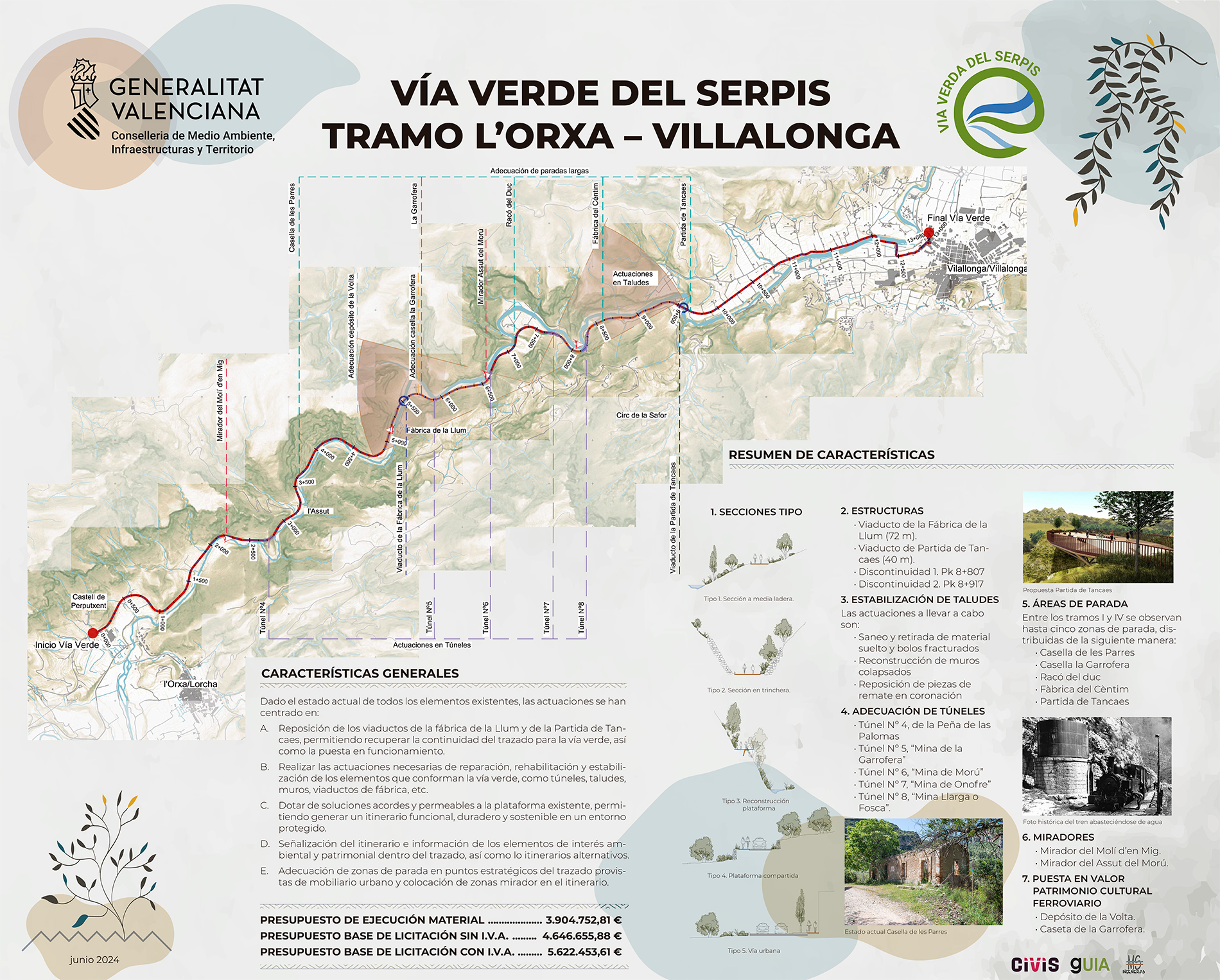
This intervention — part of a coordinated set of actions across the 53-km Alcoy–Gandía corridor — will restore the former railway alignment as a continuous cycling and walking route. Integrated into the Valencian Greenways network, it will serve both local recreation and long‑distance travel, with future potential connections into the EuroVelo network.
THREE OBJECTIVES. ONE 53‑KM ALIGNMENT BETWEEN ALCOY AND GANDÍA AIM TO ACHIEVE THREE MAIN OBJECTIVES
Restore continuity — rehabilitating bridge structures where decks were removed, subject to technical feasibility.
Consolidate and repair — tunnels, retaining walls, landslide remediation and structural elements across the route.
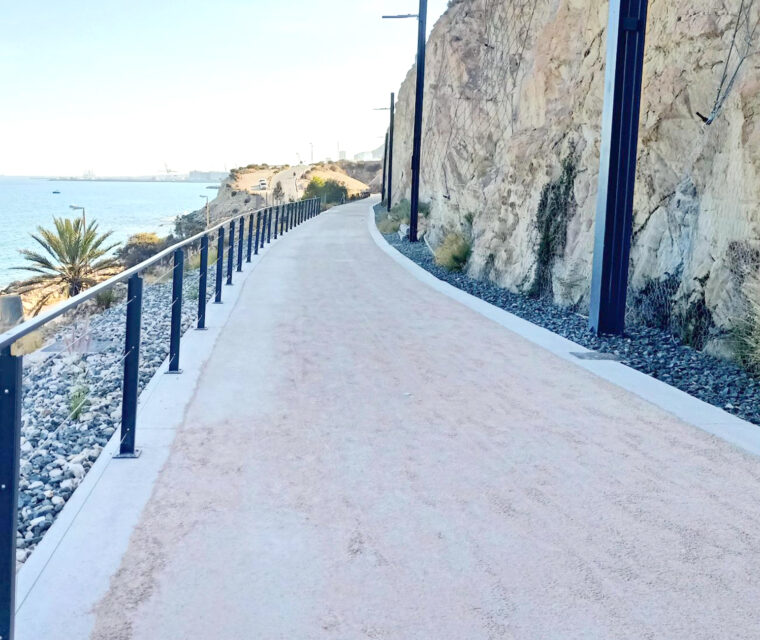
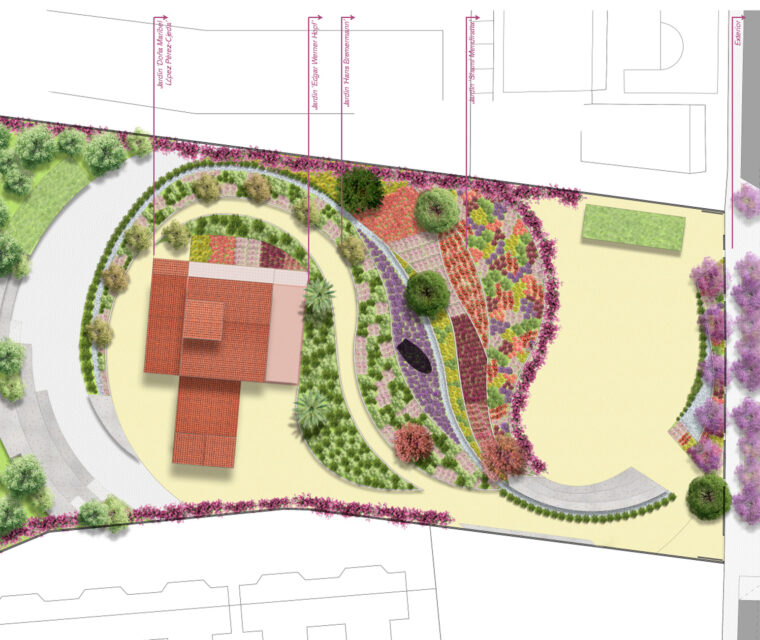
Activate the corridor — conditioning the full route for walking and cycling, restoring railway buildings, and creating the conditions to interpret and showcase landscape, hydraulic and industrial heritage along the way.