Skip links

Finca ADOC Railway Diversion
TRAM Line 1 (Alicante)

15 months

EXECUTON PERIOD​

€31,979,996.42

TOTAL INVESTMENT OF THE WORKS (VAT INCLUDED)

Serra Grossa Tunnel

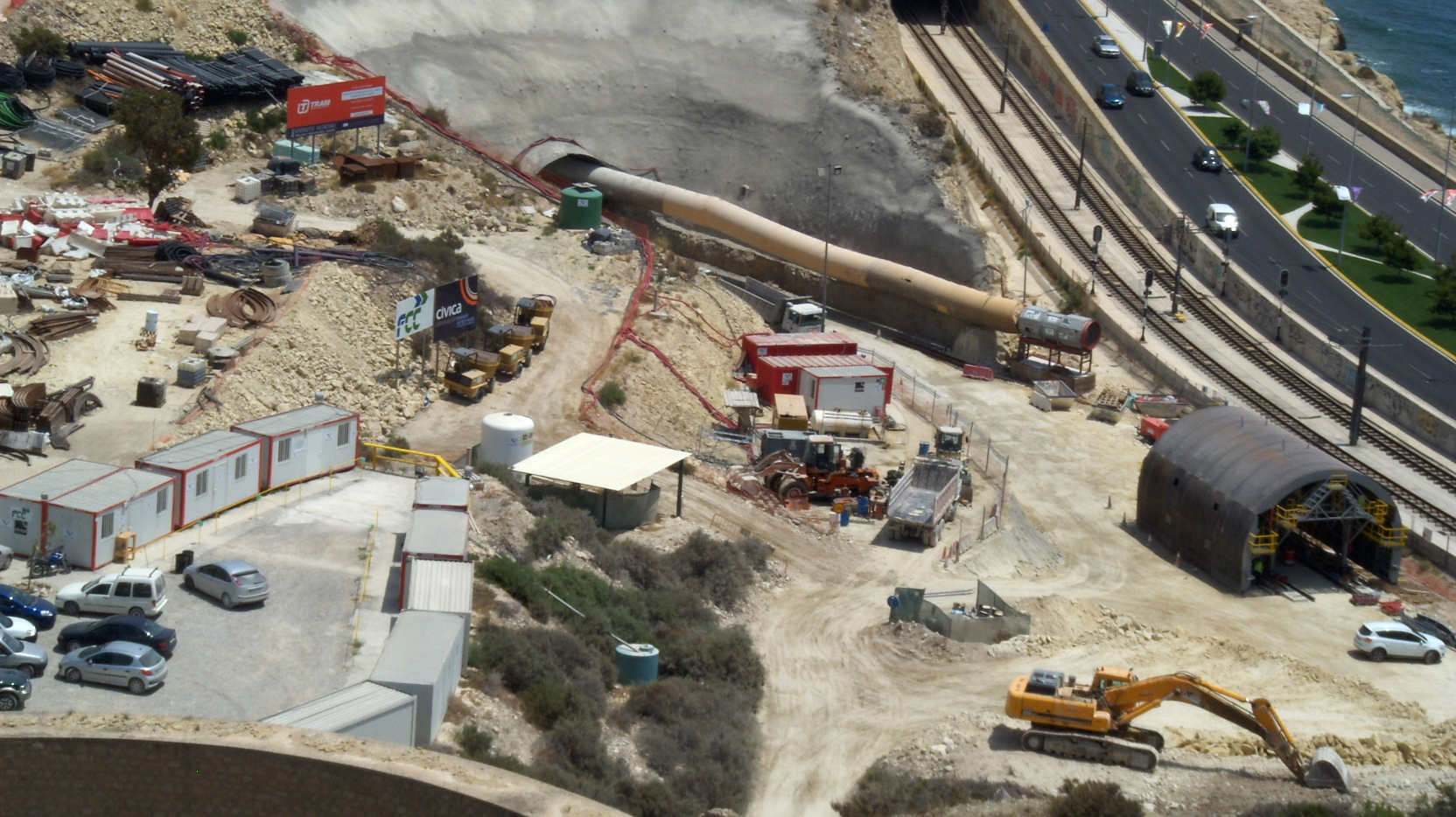
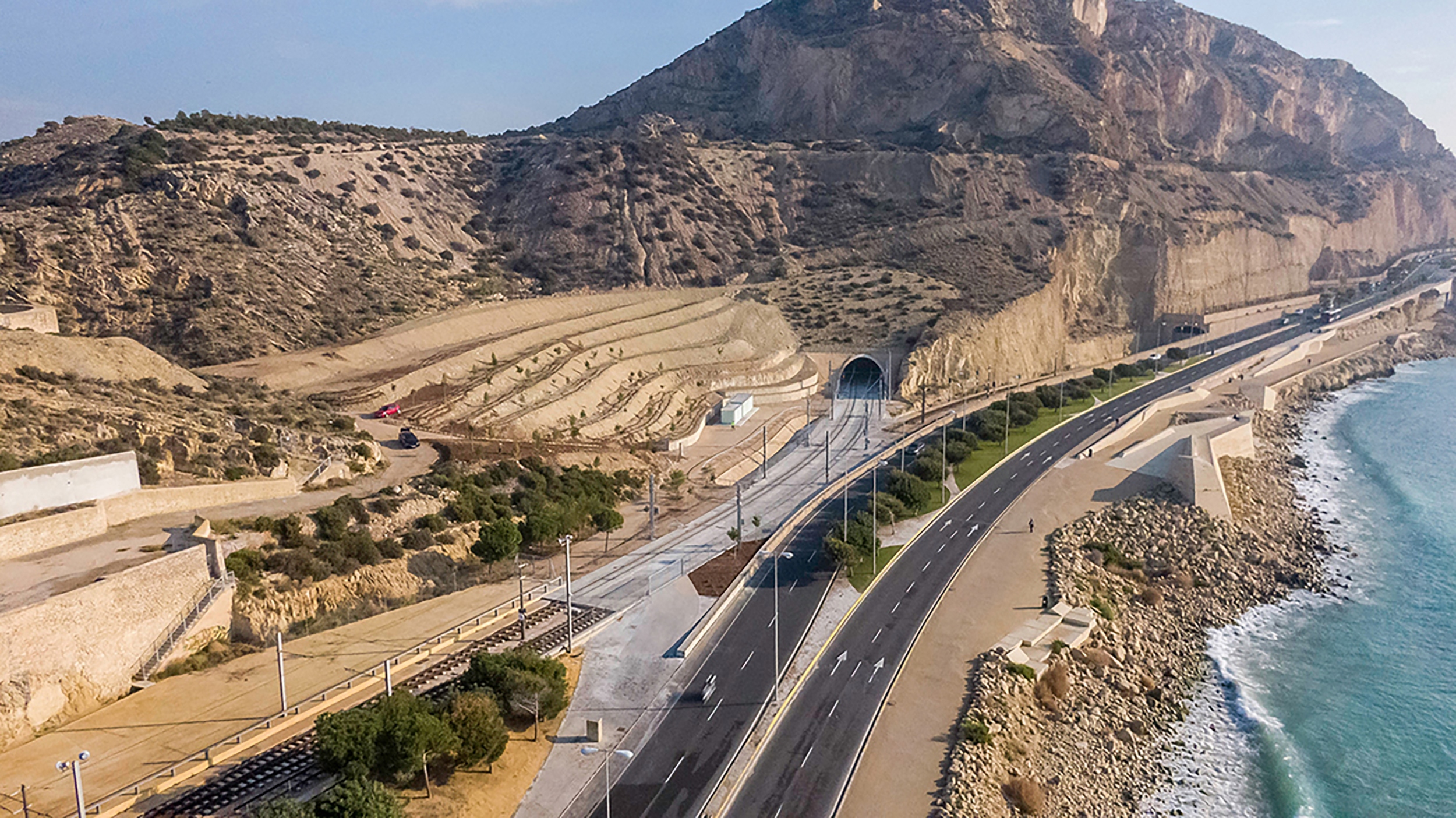
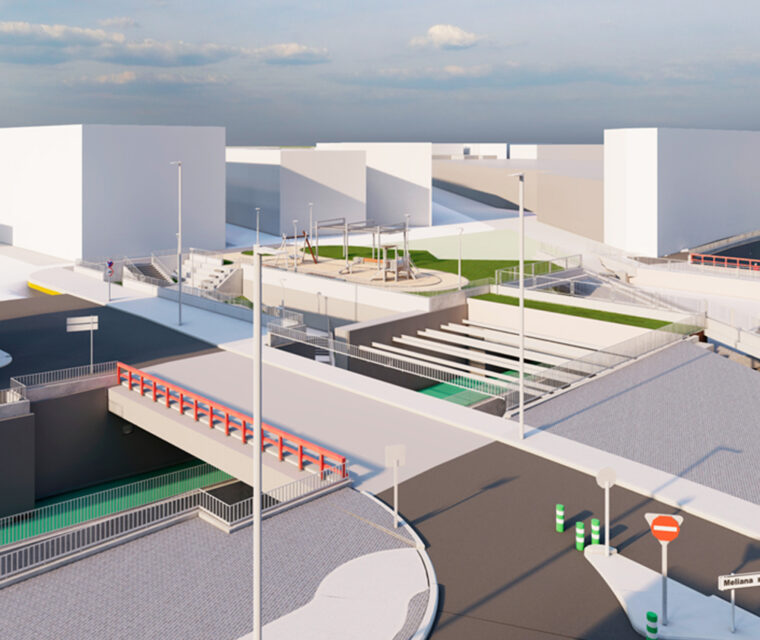
The works consisted of the construction of a new railway bypass on Line 1 of the FGV network in Alicante, between the Sangueta and La Isleta stations, with a total length of 1,900 metres in double track, most of which runs through a tunnel (1,477 metres).

Description of the Works

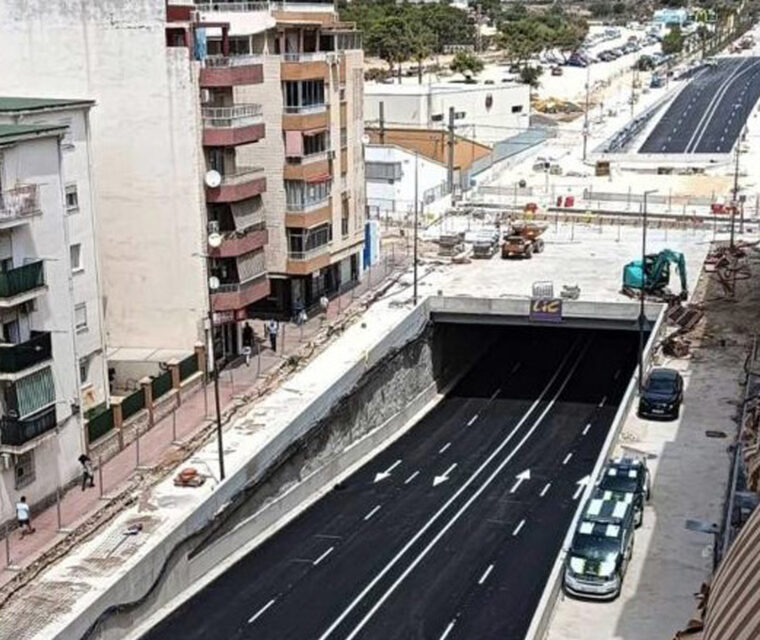
Execution of the structures and civil works associated with the new railway bypass, primarily including the construction of an open‑cut tunnel and the railway and tramway platform. The works also comprise drainage systems, ducting for cabling and installations, and the construction of technical buildings.

• Track superstructure
• Traction power railway installations
• Railway signalling and communications systems
• Modification of the existing SAE (Automatic Train Supervision system)
• Non‑railway installations
• Traffic signal installations
• Relocation and reinstatement of affected utilities
• Complementary works
• Management of temporary railway and road traffic arrangements
• Urban development and environmental integration
• Health and safety​

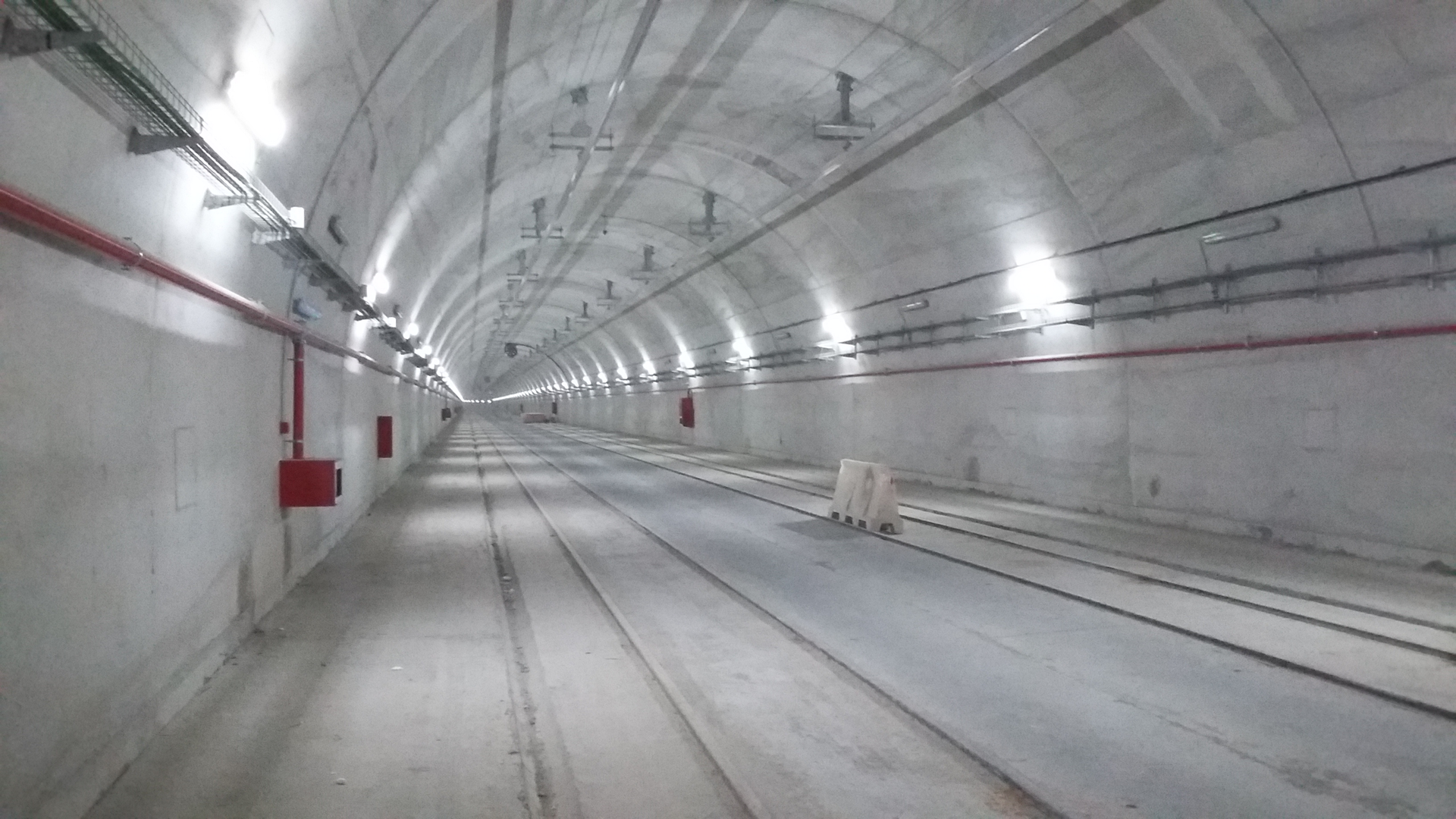
The section is built as a double‑track alignment, fully embedded between the southern and northern connection points with the existing lines. It uses 54 kg/m Vignole rail mounted on an Edilon‑type elastomer system, with a concrete slab up to rail head level. Inside the tunnel, the platform is fully accessible to emergency vehicles, incorporating longitudinal drainage through two lateral channels and a concrete ditch located in the track centreline.

In the open‑air sections, drainage elements connect to the municipal sewerage system, with gullies and ditches designed to collect runoff from the platform and from the Serra Grossa catchment area draining towards the southern portal.

​ The overhead contact line is executed using three different systems:
• Tramway‑type flexible system in the surface section at the southern portal.
• Rigid overhead conductor rail inside the tunnel.
• Conventional flexible system in the surface section at the northern portal.


The project includes the adaptation of the remote energy control system to accommodate the new OCS configuration of the bypass.

The railway signalling systems were developed through the modification of the existing interlockings at MARQ and Lucentum, both based on Thales technology, to adapt them to the new bypass and to the new three‑aspect signals installed for traffic management. This system is complemented by the ATP ZSI‑127 train protection system, developed by Siemens, which supervises all new signals and the new alignment through trackside balises (fixed and transparent), euroloops, and on‑board equipment installed on the trains.

The project also includes the modification of existing equipment and the installation of new systems required to provide the communications needed for railway safety installations. This includes the complete replacement of the existing FGV general fibre‑optic line along the section and its connection through the South and North communications nodes, integrating all installation signals into the remote‑control system.

Cookie Policy
See your Privacy Settings to learn more.
Home